
Forthcoming
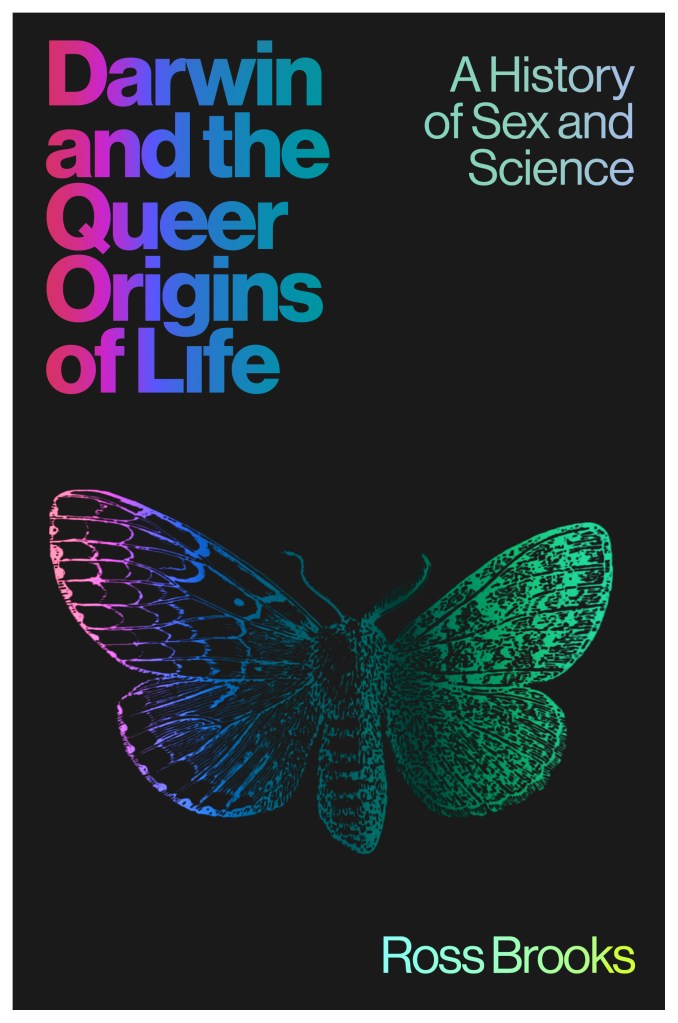
Darwin and the Queer Origins of Life: A History of Sex and Science (Yale University Press, August 2026)
Published
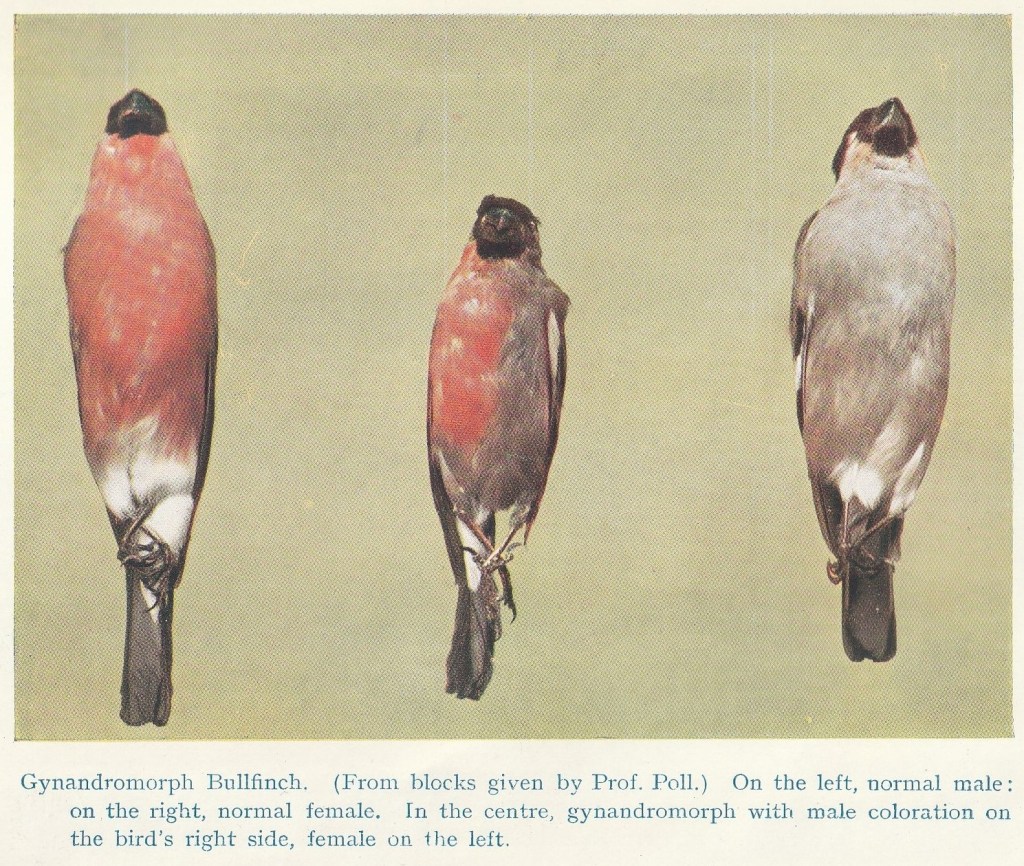
Abstract: This article situates formative Mendelian and chromosomal precepts and rhetoric as an integral part of ‘reproductive’ physiology and the broader sexological terrain in Edwardian Britain. Alongside the discovery of ‘internal secretions’ (hormones), the discovery of the sex chromosomes, made around the same time as the rediscovery of Mendel’s laws of heredity at the turn of the twentieth century, transformed the ways in which questions about sex determination and sex development were considered. Approaches were diverse as leading biologists including William Bateson, Leonard Doncaster, Reginald Crundall Punnett, Geoffrey Watkins Smith and their interlocutors negotiated the multiple, often conflicting, sociopolitical interpretations, uses and abuses that Mendelian approaches to sex were amenable to. Most contentiously, it was recognized that any credible model of sex biology had to account for all manner of sex phenomena, including parthenogenesis, intersexualities and transformations of sex, and that it was the variations of sex that best provided insights into the otherwise hidden mechanisms that shaped sex characteristics. Such a move, however, embroiled the new sexological genetics and the developing discipline of ‘reproductive’ physiology with vexed debates about feminism, homosexuality and eugenics. The article charts how the ensuing tensions played out across scholarly and popular platforms, including Britain’s newspapers.
Abstract: This article surveys the full catalogue of works published by the University Press, erstwhile of Watford, and its mysterious proprietor George Ferdinand Springmühl von Weissenfeld. The intrepid (and criminal) outfit is well known for publishing the first English editions of Sexual Inversion by Havelock Ellis and John Addington Symonds which were banned in Britain following a sensational trial in 1898. Other works produced by the press were crucial in establishing the new sexology across social strata in modern Britain. Among them are several English translations of French sexological tomes. There were also in-house productions that shaped the new sexology for a popular British readership including some of the first non-fiction books by Walter Matthew Gallichan, written under the pseudonym Geoffrey Mortimer. More than this, von Weissenfeld mounted an extraordinary defence of the freedom to publish scientific books about sex, an endeavour that was inextricably linked with his anti-establishment marketing strategy.
Shortlisted for the Royal Historical Society’s Alexander Prize, 2023
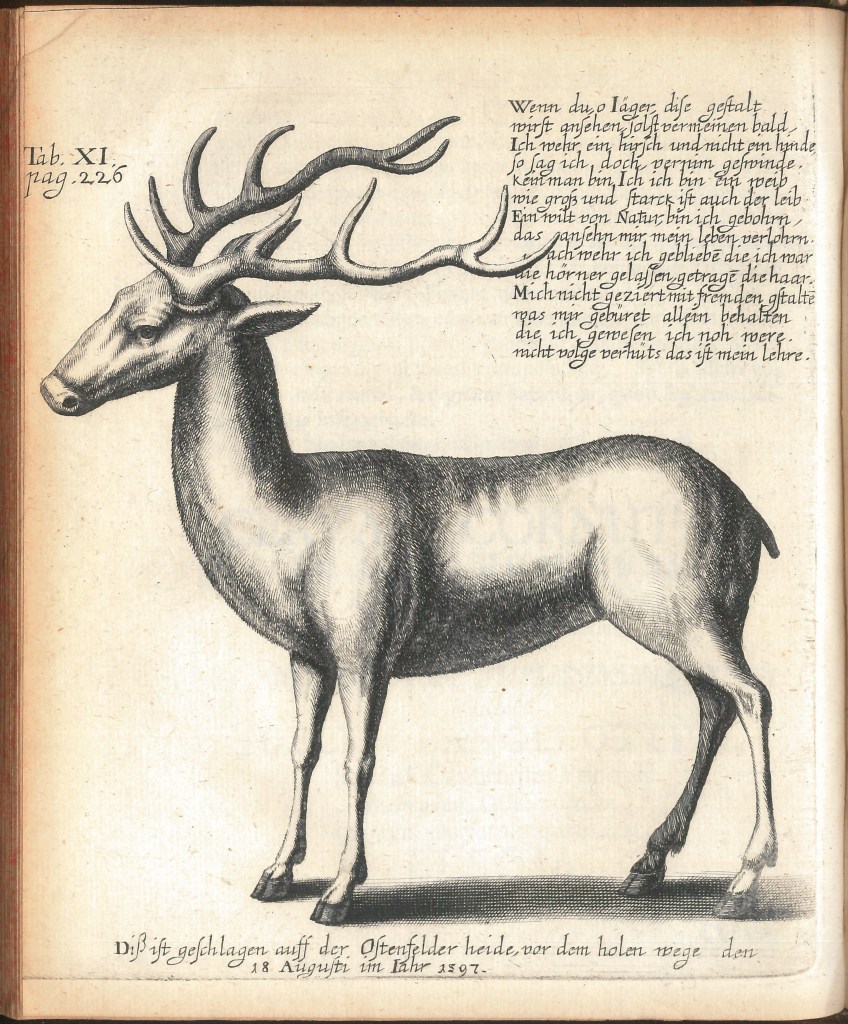
Abstract: Zoological narratives of intersexualities (‘hermaphroditism’), transformations of sex and same-sex sexual behaviours have long played significant roles in shaping ideas about sex more generally, for good and for bad. Eclectic references to sex-variant animals in classical and medieval texts traverse nebulous boundaries between fact and fantasy. Only slowly through the early modern era did observation supersede superstition. The discovery by English naturalist John Ray in 1660, that all slugs and snails were dual-sexed, situated hermaphroditism as an integral concern of naturalists as never before. Through the 1770s and 1780s, Scottish anatomist John Hunter inaugurated a new era in the medico-scientific study of sex, establishing intersexualities and transformations of sex as primary means of theorizing sex differences more broadly but delineating an overly sharp division between ‘natural’ and ‘unnatural’ hermaphrodites. He even suggested, albeit briefly, how the division of sexes from hermaphrodite origins might have happened biologically, a question that was subsequently pursued by evolutionists including Erasmus Darwin and Charles Darwin. In contrast, zoological descriptions of same-sex sexual behaviours were published only rarely prior to the 19th century, a prevailing misunderstanding that animals did not engage in such behaviours playing important roles in shaping ‘natural law’ and Christian theology.
Abstract: Charles Darwin’s published and unpublished writings contain a plethora of references to sex variations, including intersexualities (‘hermaphroditism’), transformations of sex and non-heteronormative sexual behaviours. Marking the 150th anniversary of his major sexological work The descent of man, this historical review examines a range of strategies that Darwin deployed in order to accommodate such variations within his evolutionism, while simultaneously attempting to mitigate the potential for condoning sexual phenomena that were feared and reviled in Victorian bourgeois society. Although he moved to cast sex-variant animals, human and non-human, as biological misfits and failures, Darwin’s commitment to the principle of primordial intersexuality (dual-sexed origins) nonetheless occasioned some of the queerest evolutionary narratives of the 19th century. Similarly, his construal of the ‘unnatural crimes’ of indigenous peoples was contained within a hierarchical narrative of the backwardness of ‘savages’ and civilizational supremacy but was readily subject to challenge and queer reinterpretations, not least with reference to the ‘extreme sensuality’ of the classical Greeks. Despite working to subdue the queer potentialities of his evolutionism, Darwin nonetheless laid the foundations for a new, modernist sexology to emerge, a situation that was exploited by a cohort of Darwinist sexologists, Sigmund Freud chief among them, who followed in his path.
Marius Turda, Tudor Georgescu, Patrick T. Merricks, and Ross Brooks, ‘Editorial: The History of Race and Eugenics at Oxford Brookes University’, Revista de Antropologie Urbană / Journal of Urban Anthropology 8, no. 15 (2020): 6-8.
Abstract: Whilst the continuity of eugenics and the concomitant development of genetic psychiatry in post-1945 Britain are subjects of increasing interest to historians, the importance afforded to homosexuality, and queer bodies and sexualities more generally, in this context has not previously been considered. The specific issue of “homosexuality” had emerged as a leading concern of Nazi eugenicists and their interlocutors through the interwar period largely through the pursuit of twin studies, a highly problematic method of determining genetic traits initially developed by the “father” of eugenics, Francis Galton, in the 1870s. In the United States, the German émigré geneticist Franz Josef Kallmann conducted influential studies on homosexual twins through the immediate postwar period, his interest in the subject impacting on British psychiatry in various ways. Not least, Kallmann’s studies on homosexuality, profoundly influenced by his eugenic agenda, influenced the prominent English psychiatrist Eliot Slater, himself associated with Nazi psychiatrists. Slater firmly established homosexuality as an object of study within British neuropsychiatry, widening the formative focus on twin studies to include personality testing and studies of maternal age, sibs, and birth order. Slater’s unquestioning assumption that homosexuality was, per se, a pathological condition was not accepted by all his contemporaries but nonetheless shaped the development of “queer science” as it was subsequently pursued in Britain and elsewhere.
Abstract: Looking beyond the notorious “Brideshead” aesthetes and homoeroticism of 1920s Oxford, this article explores the queer sensibilities of the university’s male undergraduates and their associates through the 1930s. Steadily through the decade, Oxford’s unique brand of queer aestheticism and same-sex love affairs became embroiled with wider debates about the hegemony of socialism and communism and the supposed degeneracy of standards at Oxford. At the same time, the assimilation of medicalized concepts of perversion and homosexuality increasingly made Oxford’s aesthetes and same-sex love affairs objects of critical scrutiny, effeminophobia, and homophobia. For many of the university’s queer male undergraduates, the Oxford University Dramatic Society provided a safe haven and a platform for queer expression both in Oxford and beyond. A group of images by the Russian émigré photographer Cyril Arapoff provides further insights into the male homoerotics of 1930s Oxford. Situated within the context of Arapoff’s life in the city between 1933 and 1939, his extraordinary photographs of nude and seminude young men offer glimpses into the queer lives and loves at Oxford in a period when such experiences were rarely articulated in written form. The images include the spaces the young men inhabited and their interconnections to London’s vibrantly queer dance and theater scene. Such insights help establish more firmly interwar Oxford as an important hub of queer modernism, with national and international import for the course of modern queer history.
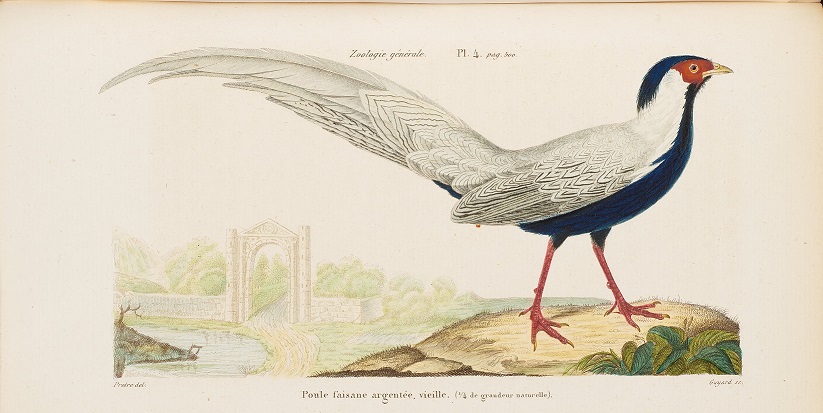
Abstract: The hegemony of the two-sex paradigm in the European scientific imagination and wider culture did not automatically equate to the hegemony of two discrete genders. In fact, two sexes facilitated a variety of gender choices: two singular and a number of double or otherwise intersexed (most commonly referred to as “hermaphrodite” or “bisexual” in its anatomical sense). This article explores some key British medical and allied scientific texts, with reference to associated Continental literature, as a means of illustrating the complexity of the two-sex paradigm and the unexpected transformation of gender possibilities that it helped produce through the early and middle decades of the nineteenth century. Discourses surrounding the first direct observations of the earliest development of fetal urinogenital anatomy were pivotal. The prevailing view that the incipient embryo was sexually undifferentiated (a paragon of the one-sex paradigm) was challenged by the Edinburgh anatomist Robert Knox, initially as he sought to bolster his professional reputation at the height of the Burke and Hare “body-snatching” scandal. Knox suggested that every embryo began life in an essentially dual-sexed state, an individual’s sex anatomy depending on the greater or lesser development of component female and male structures. Greater clarification on the contested status of the homology—hermaphrodite distinction was achieved with the discovery of the early co-existence of the excretory duct of the Wolffian body (mesonephric duct) and the Müllerian duct (paramesonephric duct), an observation that made anatomical bisexuality difficult to ignore. The nineteenth-century’s greatest champion of primordial hermaphroditism was Charles Darwin who was pivotal in phylogenizing the principle and establishing the premise that (in his own words) “Every man & woman is hermaphrodite,” a foundation stone of late-nineteenth-century sexology.
Abstract: This article explores the medical references in the writings of the German jurist and activist Karl Heinrich Ulrichs as a means of breaking new ground in diverse fields (including history of medicine, history of sexuality, and gender history). It demonstrates that the theory of bisexuality has a much deeper and more textured genealogy than has been hitherto appreciated and that dual-gendered bodies and minds must be better recognized as important through the nineteenth century. Specifically, it demonstrates that classifications and rhetoric of hermaphroditism, and other dual-gendered categories (e.g., sexual dualism and anatomical bisexuality), were deployed in diverse contexts through the period, often with little or no reference to the occurrence of genital ambiguities. Important discourses in embryology, utilized by Ulrichs, suggested that all individuals, in the earliest stages of fetal development, were hermaphroditic. In making an analogy among the ontogeny of sex anatomy, hermaphroditism, and the development of erotic preferences, Ulrichs sought to naturalize homoeroticism, rendering social and legal prohibitions untenable. His advocacy, however, was counterbalanced by the Prussian forensic expert Johann Ludwig Casper who had made some conceptual maneuvers similar to Ulrichs only couched in the rhetoric of pathology. Ulrichs was equivocal in his use of forensic works such as Casper’s, condemning their authors but recognizing similarities with his own gender schema.
Winner of the Society for the History of Natural History’s William T. Stearn Prize 2008
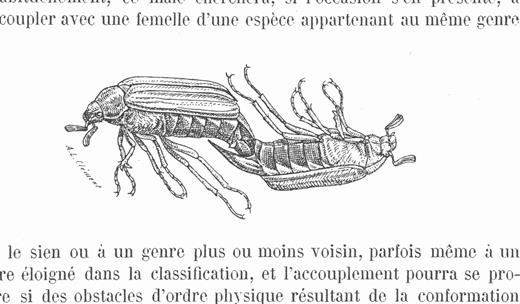
Abstract: Beginning in 1834, entomologists across Europe began reporting same-sex copulatory activity in a variety of insect species, sometimes between species or genera. Most communications concerned male-male couplings of the common cockchafer (Melolontha melolontha, syn. M. vulgaris). These reports offer a unique snapshot of how nineteenth-century naturalists responded when they were required to explain precisely what was natural in their observations. Initial communications of same-sex couplings were mainly accompanied by exclamations of surprise and the rhetoric of disapproval. Such activity was explained either by the assumption that one of the parties must in some way have a female anatomy or that blind or excessive lust compelled more virile individuals to force copulation upon weaker ones. As these explanations were questioned, more complex and controversial theories founded in fashionable evolutionary theories were forwarded as means of assimilating the phenomenon within hegemonic constructions of sexuality. These came from both within entomological circles and from outside observers whose primary interest was in theorizing human eroticism. This article follows a particularly intense dispute which erupted following the claim by one of France’s leading naturalists, Henri Gadeau de Kerville, that the homoerotic activity demonstrated by male cockchafers evidenced the existence of a distinctly “homosexual” instinct. By 1900 no single taxonomy of non-human homoeroticism dominated intellectual discourse on the subject. Although zoological observations of same-sex eroticism continued to be made through the twentieth century, Melolontha were left in relative peace.
Abstract: Late eighteenth- and early nineteenth-century legal and forensic tracts in vernacular German offer a prime opportunity to understand elite attitudes towards homoerotic desire and sexual activity in Central Europe prior to the hegemony of psychiatry as the arbiter of ‘normal’ and ‘abnormal’ eroticism. They demonstrate that changes in body concepts conveyed largely by the anti-masturbation crusade affected discourses of same-sex eroticism (pederasty, boy-defilement, or sodomy) in specific ways. Penetrative, as well as receptive, roles in male-male anal sex were described in terms of pathology with the boundaries between cause and effect ambiguous. Increasingly fanciful descriptions of the perceived consequences of such penetrative practices spread from the anal and genital regions to cover every conceivable aspect of a participant’s body, mind, and being. As the integrity of pederastic stigmata was inevitably questioned, classical readings were utilised to rejuvenate pathological epistemologies of homoeroticism. In particular, Julius Rosenbaum’s presentation of the ‘feminine disease’ of the Scythians and of the hereditary potential of acquired sexual nonconformity was absorbed by Prussia’s leading forensic physician, Johann Ludwig Casper, and subsequently aided the integration of homoeroticism into nascent psychiatric discourses.
 Dr Ross Brooks (he/him)